Spirits 101: A Plain-English Guide to Every Major Spirit Category

Updated: 3 days ago
Spirits are the biggest, highest-margin, and most intimidating section in the store. They are also where your staff gets caught flat-footed the most.
A customer holds up two bottles and asks what the difference is between bourbon and scotch, or whether tequila and mezcal are the same thing, or what they should buy for someone who "likes gin but not the piney stuff." The clerk who can answer makes the sale and earns the trust. The one who shrugs sends that customer to their phone, and often to a different store next time.
The good news is that the entire spirits wall comes down to a handful of ideas and seven main types of spirits. Once your team understands those, the hundreds of bottles on the shelf stop being a wall of labels and start being a map they can guide people through. Here is that map, written for the people who actually have to talk to customers.

What is a Spirit, Exactly?
A spirit is any beverage made by distillation. Learn in Spirits 101.
The process has two steps. First you ferment something with sugar in it, which yeast turns into alcohol, the same way beer or wine is made. Then you distill that fermented liquid by heating it so the alcohol evaporates, capturing the vapor, and condensing it back into a much stronger liquid. Fermentation gets you to roughly beer or wine strength. Distillation concentrates it into something far more potent.
Three variables explain almost every bottle on the shelf:
The base ingredient. Grain, sugarcane, agave, grapes, potatoes, fruit. What you ferment and distill is the single biggest driver of the category and the flavor.
Aging. Time in a barrel, usually oak, pulls color and flavor out of the wood and softens the spirit. This is the difference between a clear, sharp spirit and a smooth, amber one.
What gets added. Botanicals, sugar, flavorings, or nothing at all.
Two quick terms your staff will get asked about. ABV is alcohol by volume, the percentage of pure alcohol in the bottle. Proof, in the United States, is simply double the ABV, so an 80-proof bottle is 40% ABV. Most spirits are bottled at 40% ABV or higher. For the legal definitions behind each category, the TTB standards of identity are the official reference, but your team does not need to memorize regulations to sell well. They need the seven categories below.

The 7 Main Types of Spirits
1. Whiskey
What it is: A spirit distilled from fermented grain and aged in oak. The grain bill and the rules of the region determine the style.
The styles that matter on the floor:
Bourbon. Made in the U.S. from at least 51% corn and aged in new charred oak barrels. Sweet, round, notes of vanilla, caramel, and oak.
Rye. At least 51% rye grain. Spicier and drier than bourbon, with a peppery backbone that bartenders love in cocktails.
Scotch. Made in Scotland and aged at least three years. Blended scotch is approachable and smooth. Single malt is made at one distillery from malted barley and ranges from honeyed and light to intensely smoky and "peaty," especially from the island of Islay.
Irish whiskey. Typically triple-distilled, smooth, and easy-drinking. A great gateway for the nervous customer.
Japanese whisky. Modeled on scotch, prized for balance and craftsmanship.
Canadian whisky. Light and smooth, often the everyday mixing whisky.
On the floor: When someone says "smooth," steer them toward Irish or a wheated bourbon. When they say "smoky," that is peated scotch. Knowing those two reflexes alone closes a lot of sales. For a deeper team session, our Whiskeys of the World 101 course breaks down every style.

2. Vodka
What it is: A neutral spirit distilled to be as clean and flavorless as possible. It can be made from grain, potatoes, grapes, or even corn, then filtered for purity. The category is defined by the absence of strong character, which is exactly the point.
The styles that matter on the floor: Vodka is sold less on flavor and more on texture, brand, and mixability. Premium vodkas tend to drink softer and cleaner. Flavored vodkas (citrus, vanilla, berry) are still strong sellers for easy cocktails.
On the floor: Vodka shoppers usually have a brand in mind, so the move is to trade them up or sideways. If someone reaches for a mid-tier bottle, a quick "this one is a little smoother for sipping, this one is built for mixing" gives them a reason to spend a few dollars more. This is premiumization in action, and it only happens when staff can speak to it. Enroll in the Learn Brands Vodka Core Education course today for free. For a deeper look at moving this category on the floor, see our full guide on how to sell vodka.

3. Gin: Botanicals & Backbone
What it is: Essentially a neutral spirit, like vodka, that is redistilled or infused with botanicals, with juniper as the required dominant flavor. That piney, herbal note is the signature of the category.
The styles that matter on the floor:
London Dry. The classic juniper-forward, crisp style. Textbook gin and tonic.
Plymouth. Slightly softer and earthier.
Old Tom. A touch sweeter, historically a bridge between styles, classic cocktails.
New Western or contemporary. Juniper takes a back seat to citrus, floral, or spice botanicals. These convert the "I don't like gin" customer.
On the floor: The "likes gin but not the piney stuff" customer is asking for a contemporary or New Western gin. Naming one for them is an instant win. Gin is also the easiest category for staff to suggest a simple cocktail, which raises the basket because they buy the tonic and the lime too.

4. Rum
What it is: A spirit made from sugarcane, either from molasses or from fresh-pressed cane juice. Style ranges enormously based on aging and origin.
The styles that matter on the floor:
White or Silver. Light and clean, the daiquiri and mojito base.
Gold & Aged (añejo). Time in oak adds caramel, baking spice, and smoothness.
Dark. Rich and molasses-heavy.
Spiced. Infused with vanilla, cinnamon, and other spices, a huge everyday seller.
Rhum agricole. Made from fresh cane juice, grassy & funky, French Caribbean style.
Overproof. High-strength, for tiki drinks and floats.
On the floor: Rum is wildly underrated and high-margin. A customer buying spiced rum for cola can often be nudged toward an aged sipping rum as a "try this neat" upsell. Position premium aged rum next to whiskey in the customer's mind: it sips the same way for less. For a deep dive on this unique category, check out our rum course.

5. Tequila and Mezcal (Agave Spirits)
What it is: Spirits made from the agave plant. Tequila must be made from blue Weber agave, primarily in the Mexican state of Jalisco.
Mezcal can be made from many agave varieties, largely in Oaxaca, and gets its signature smoke from roasting the agave hearts in earthen pits. The official tequila rules are maintained by the Consejo Regulador del Tequila.
The styles that matter on the floor:
Blanco (silver). Unaged, bright, pure agave flavor. The margarita workhorse.
Reposado. "Rested" a few months to a year in oak, mellower with light vanilla.
Añejo. Aged one to three years, smooth and whiskey-like.
Extra Añejo. Aged over three years, a premium sipper.
Mezcal. Smoky, complex, often sipped neat. The fastest-growing curiosity in the category.
On the floor: Always check for "100% agave" on the label. That is the quality signal that separates a real agave spirit from a cheaper mixto. Mezcal is the discovery sale: a customer who loves smoky scotch will often love mezcal, and almost no one thinks to suggest it. For the full agave story, our PKGD University agave spirits program goes deep on heritage producers and styles. Ready to go deeper on one of the most in-demand categories on your shelf? Our guide to tequila and the agave spirits category breaks down labels, styles, and how to recommend them.
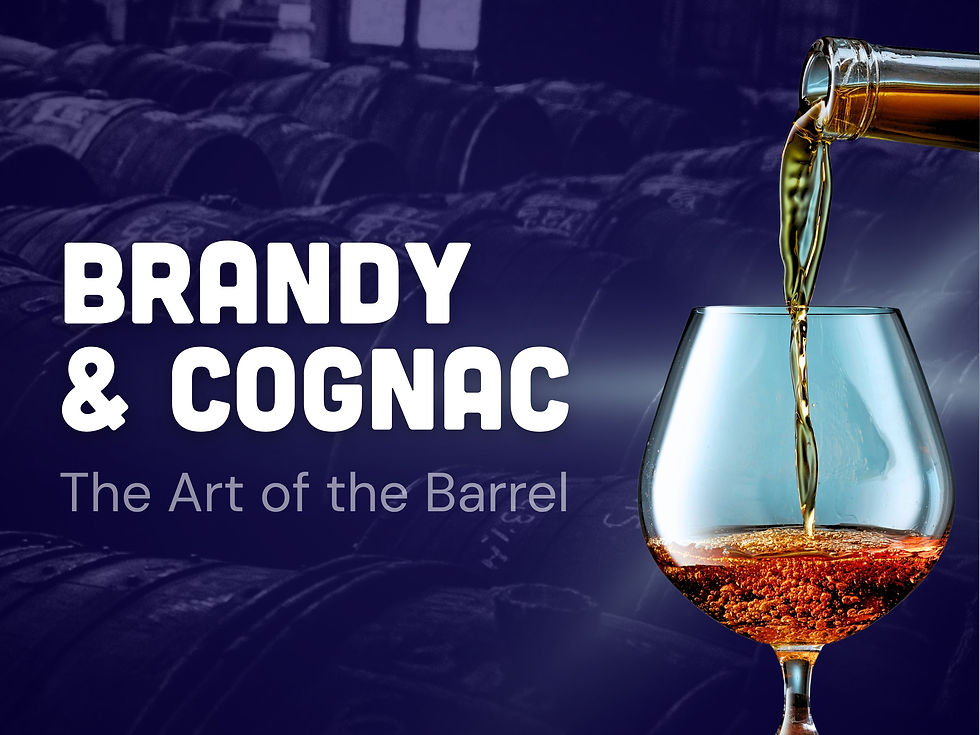
6. Brandy & Cognac: The Art of the Barrel
What it is: A spirit distilled from fermented fruit, most often grapes (distilled wine), then usually aged in oak. This is one of the oldest spirit categories and one of the most overlooked by American staff.
The styles that matter on the floor:
Cognac. Brandy from the Cognac region of France, double-distilled and aged in French oak. Age grades to know: VS (the youngest), VSOP (older and smoother), and XO (the oldest and most premium).
Armagnac. Cognac's rustic, characterful cousin from southwest France.
Pisco. A clear grape brandy from Peru and Chile, the sour cocktail base.
Grappa. An Italian brandy made from grape skins and stems, intense and dry.
Calvados and applejack. Apple brandies, perfect for fall and a great pairing recommendation.
On the floor: Brandy is a whiskey drinker's untapped next purchase. When a regular has worked through your bourbons, a VSOP cognac or an aged apple brandy gives them somewhere new to go. It is also the holiday and gift sweet spot.

7. Liqueurs
What it is: A spirit base sweetened with sugar and flavored with fruit, herbs, spices, cream, nuts, or coffee. Liqueurs are usually lower in proof and are the modifiers that make cocktails work.
The styles that matter on the floor:
Orange liqueurs (triple sec, curaçao) for margaritas and cosmos.
Coffee liqueurs for espresso martinis, one of the hottest drinks in the market.
Herbal liqueurs and amari (think Chartreuse or an Italian amaro) for the adventurous and the digestif crowd.
Cream liqueurs for dessert and gifting.
Amaretto, elderflower, and the rest that round out a cocktail wall.
On the floor: Liqueurs are the ultimate add-on sale. A customer buying tequila for margaritas needs an orange liqueur whether they realize it or not. Staff who connect the base spirit to the modifier turn one bottle into two or three. The espresso martini wave alone has made coffee liqueur a category worth pointing out to anyone buying vodka.

Beyond the Big Seven
The world of distilled drinks keeps expanding past the classics, and curious customers are asking about all of it. A few worth knowing by name: baijiu, the grain spirit that is the best-selling spirit on earth and almost unknown on Western shelves, soju and shochu from Korea and Japan, cachaça, the Brazilian cane spirit behind the caipirinha, aquavit from Scandinavia, and absinthe. If your team wants to get ahead of the most misunderstood bottle in this group, our Baijiu Basics guide, our soju guide, and our sake guide for bartenders cover the categories most staff have never been trained on.

Turning Spirits Knowledge Into Sales
Product knowledge is not trivia. It is the difference between an employee who rings up whatever the customer already decided to buy and one who guides the purchase, trades them up, and adds the mixer and the modifier. Across a shift, that is real money. Across a year, it is the margin that separates a healthy store from a struggling one.
The challenge is that the people on your floor turn over constantly, and every new hire starts from zero. You cannot build deep product expertise on a team that resets every couple of months, which is the exact problem we wrote about in how retailers are fixing turnover with training. The fix is a repeatable, no-cost way to get every new staffer to a baseline fast, so the category knowledge lives in your training system instead of walking out the door when someone quits.
That is what the free Spirits 101 course is built for. It covers everything in this guide in an interactive format your team can finish quickly, and it sits alongside the rest of our free Core Education Suite, including Wine Essentials and Whiskeys of the World. When your team is ready to go further, our breakdown of beverage alcohol certifications shows how to turn that foundation into a recognized credential. Product knowledge sits on top of the legal baseline, and most states require seller-server training before anyone pours or rings up a bottle. Our guides to California RBS certification, Illinois BASSET certification, Oregon OLCC service permits, Texas TABC certification, and Pennsylvania RAMP certification cover what each state requires.
Whether you run a single bottle shop or supply hundreds of accounts, trained staff move more product. Our retailer and distributor solutions are built around exactly that. If you are building an onboarding path, our complete list of free alcohol training courses covers every category on the wall.

Frequently Asked Questions
What are the 7 types of spirits?
Whiskey, vodka, gin, rum, agave spirits (tequila and mezcal), brandy, and liqueurs. What gets fermented and distilled is the biggest driver of category and flavor.
Why is alcohol called "spirits"?
A spirit is any beverage made by distillation: the fermented liquid is heated, the alcohol vapor is captured and condensed into something far more potent. Early distillers described that captured vapor as the drink's spirit, and the name stuck.
What is the difference between ABV and proof?
ABV is the percentage of pure alcohol in the bottle. In the US, proof is double the ABV, so 80 proof is 40% ABV. Most spirits are bottled at 40% or higher.
Ready to Elevate Your Team?
Want to get your whole team fluent on the spirits wall? Start free with the Core Education Suite or book a demo to roll it out across your accounts.


